
From rocks to stories: What over 700 conversations taught me about urban heat in Windhoek, Namibia
By Giesberta N. Shaanika and Dr Jessica Thorn
June 2026
According to the World Health Organization (2024), heat stress is now the leading cause of weather-related deaths globally and is associated with a range of health impacts, including cardiovascular and respiratory diseases, mental health challenges, reduced productivity and has the potential to increase the transmission of other infectious diseases.
African cities are not exempted from these trends, despite the long-standing misconception that Africans are inherently more tolerant to extreme temperatures. The World Meteorological Organization (2025) warns of an 80% likelihood that global temperatures between 2025 and 2029 will surpass the record warmth observed in 2024. As temperatures continue to rise and natural cooling spaces decline, understanding how people experience and adapt to extreme heat has become an urgent priority for building more resilient and liveable cities.
Namibia is particularly vulnerable to rising temperatures due to its arid climate and high levels of climate variability. Windhoek, one of the fastest-growing cities in Southern Africa (Namibia Statistic Agency (NSA), 2023), faces the combined pressures of rapid urbanisation and growing informal settlements, making it an important case study for understanding urban heat vulnerability and adaptation.
Against this background, the need to identify effective and accessible cooling solutions has become increasingly urgent. In 2024, during a period of extreme heat events, UN Secretary-General Mr António Guterres called for inclusion of “low-carbon cooling”; including passive cooling approaches such as nature-based solutions and cleaner cooling technologies.
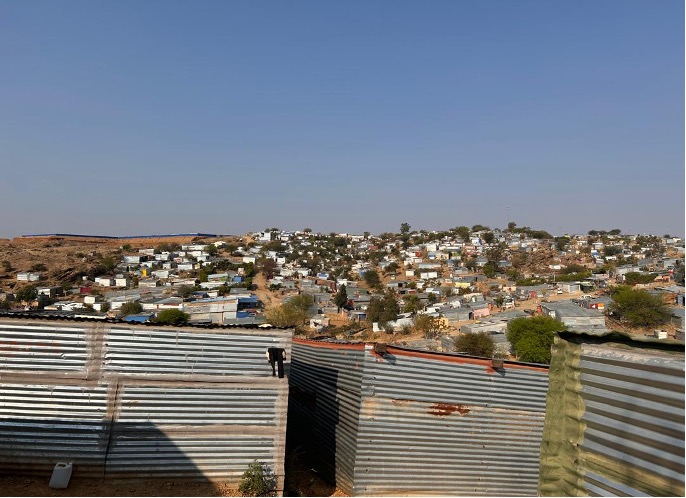
Figure 1: Horizon view of One Nation informal settlement, northeast Windhoek, illustrating the settlement layout and housing density.
Motivated by having witnessed first-hand how heat affects daily life in in low-income communities, I embarked on research to better understand how residents experience and respond to heat stress. We explored Windhoek residents’ lived experience with extreme heat, the coping strategies they currently employ ranging from behavioural adjustments to infrastructural strategies as well as the extent to which nature-based solutions such as home gardens, tree planting, and other forms of urban greening are being used to provide cooling at household and community level. Between August and December 2025, with four research assistants, we conducted 713 in-person household surveys, from affluent suburbs to informal settlements.
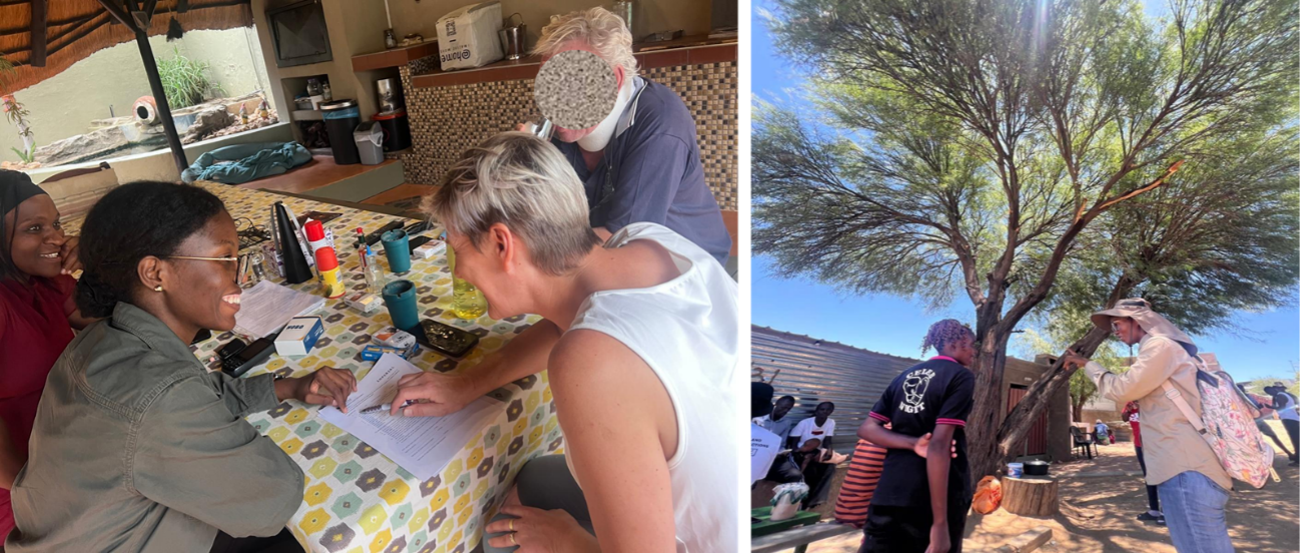
Figure 2: Engaging residents of a formal suburb (L) under a lappa, vs a residnet of an informal area (R) under a tree which both offered thermal comfort during household surveys.
Here, I share some key findings from the surveys and my experience as a transitioning scientist from working primarily with rocks and landscapes to a researcher engaging with people, stories, and lived experiences.
Preliminary findings
Vulnerability to extreme heat is dynamic and shaped by daily activities, living conditions, and socio-economic circumstances. While children and older adults are frequently identified as vulnerable, respondents also highlighted school-going pupils, students, middle-aged men and working-age adults as highly affected. This is due to prolonged exposure during commuting, outdoor work, and time spent in poorly ventilated learning environments or inadequately shaded areas.
In terms of coping mechanisms, surveys revealed differences in the ability of residents to cope with heat. In informal settlements, houses were often constructed from materials that readily absorb and exacerbate heat, are densely arranged, and lack adequate ventilation. These conditions, combined with limited access to basic services (e.g., water, electricity, sanitation, waste management), increase residents’ exposure and reduce their adaptive capacity. In formal neighbourhoods, residents generally have access to a wider range of cooling options, yet many still prefer passive cooling methods, citing the high cost of electricity, concerns about the efficiency and health effects of mechanical cooling systems including air conditioners . These findings challenge the notion that mechanical cooling could be the default response to urban heat, particularly given its energy demands and potential contribution to urban heat island effects.
Given these challenges, residents across both affluent and informal areas rely heavily on passive cooling measures, highlighting the extensive use of nature-based solutions. In informal settlements, shade from trees and surrounding structures often provides the primary source of relief, while natural ventilation is frequently limited because many households avoided installing windows due to security concerns.
Nonetheless, several barriers limit nature-based solutions adoption. In informal settlements, insecure land tenure discourages long-term investment in greening, while financial constraints make it difficult to establish and maintain vegetation. In formal areas, residents often prioritise larger houses and parking spaces over green areas, while others prefer low-maintenance landscapes such as paving. Across both settings, water scarcity and limited awareness of the ecological and cooling benefits of vegetation are significant challenges.
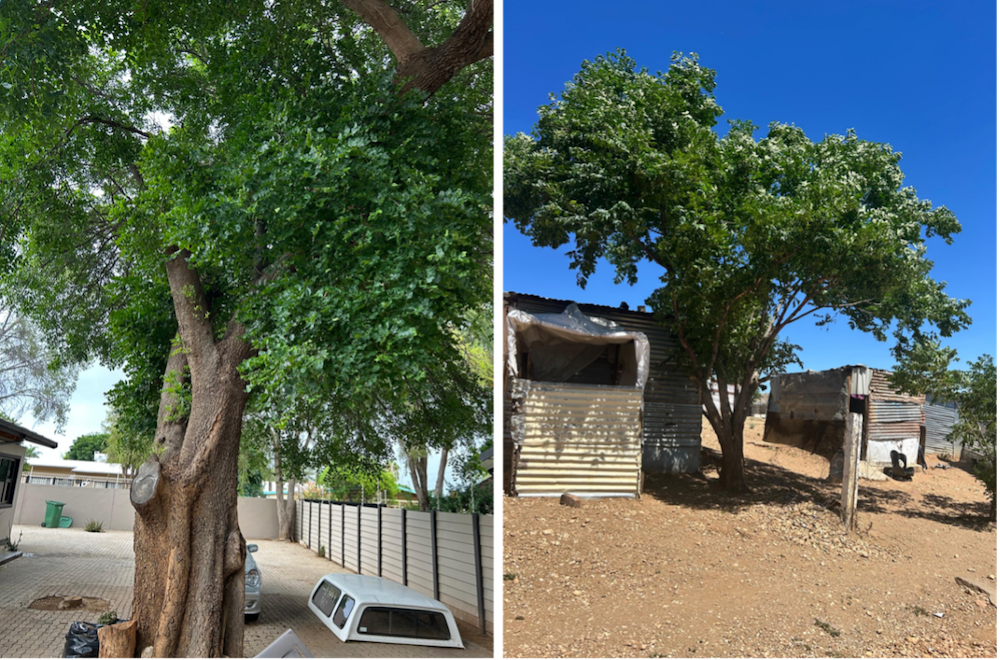
Figure 3: Examples of shade trees observed in the formal (L) and the informal (R) areas. Left – the tree is used for parking vehicles and for resting, while on the right it is a cool socialising place at a local tuckshop.
At the community level, Windhoek’s parks and green spaces have the potential to provide thermal refuge during periods of extreme heat. However, many of these spaces are concentrated in the central business district and more affluent neighbourhoods, limiting accessibility for those who may benefit most. There are also concerns relating to maintenance, safety, and limited recreational facilities.
My experience: a transitioning scientist from natural to complex social ecological systems research
In addition to these insights from the research, I would also like to take a moment to reflect on my personal academic career. As a geologist by training, my academic and professional journey has long revolved around measurements and hard data. Much of my fieldwork both in consulting and public service involved traversing landscapes in Central and Southern Namibia with a map and a GPS, striking rocks with a geological hammer, collecting samples, analysing them in laboratories, and constructing scientific stories from measurable variables. Human interaction rarely featured in this process.
But researching extreme heat in Windhoek demanded something new: talking to people. For the first time, and at the highest level of my academic life, I stepped far beyond the comfort of structured field sites into the often unpredictable spaces where people live. What followed felt like an endurance test. Each household with a story to tell, and each question met with a different understanding. There were many contrasting realities. The data collection was done on foot, under the full intensity of the Namibian sun, and every uphill climb and uneven ground was a reminder of the physical challenges that residents themselves experience daily. These communities are the first stop for many climate researchers therefore at times met with resistance due to “research fatigue”. Despite all these difficulties residents were often welcoming and willing to share their experiences.
In the more affluent neighbourhoods, the challenges were different. High walls, locked gates, security systems, and the occasional bulldogs created both physical and social barriers. Learning to navigate rejection, build trust, and persist respectfully became an unexpected but important part of the research process. This experience taught me that research requires more than scientific rigour. It also demands empathy, adaptability, cultural sensitivity, and emotional resilience.
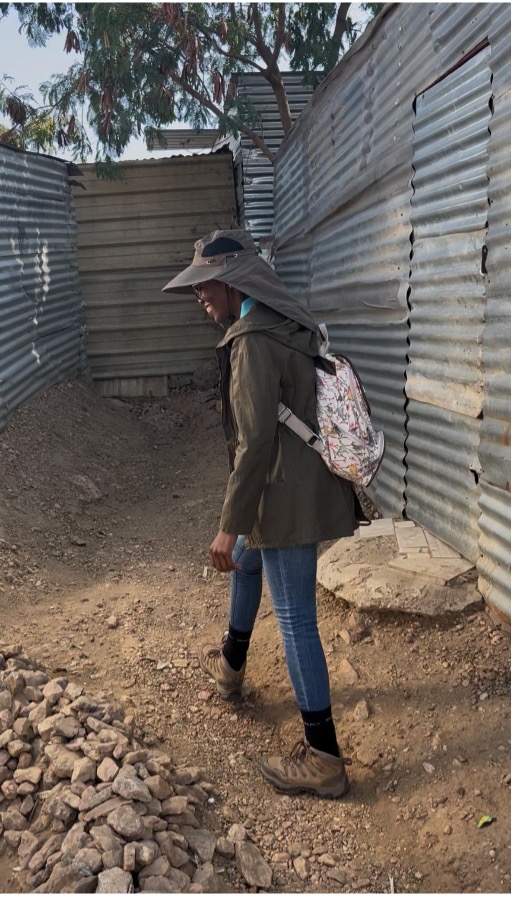
Figure 4: Present author walking through the informal areas while conducting household surveys.
Conclusions
What began as a methodological requirement became a personal and professional journey. Moving from hammering rocks that do not talk back, to listening to people’s lived experiences has broadened my understanding of environmental change, community vulnerability, and transformed the way I think about science in building more resilient cities.
Collectively, these findings highlight that effective heat adaptation requires more than simply increasing vegetation cover. Solutions must be responsive to local realities and address barriers such as land tenure, energy poverty, water availability, and access to green spaces. Respondents identified tenure-sensitive greening programmes, financial incentives, water-efficient planting schemes, and community education as some important pathways towards a cooler and more resilient Windhoek.
As I continue this research, I look forward to sharing these findings with the broader research community. Ultimately, I hope this work helps inform practical actions that make our cities cooler, healthier, and more resilient in a warming world.
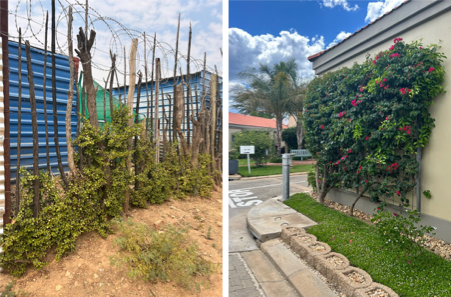
Figure 5: Green walls seen in (L) Otjomuise informal settlement and (R) in the formal area of Eros.
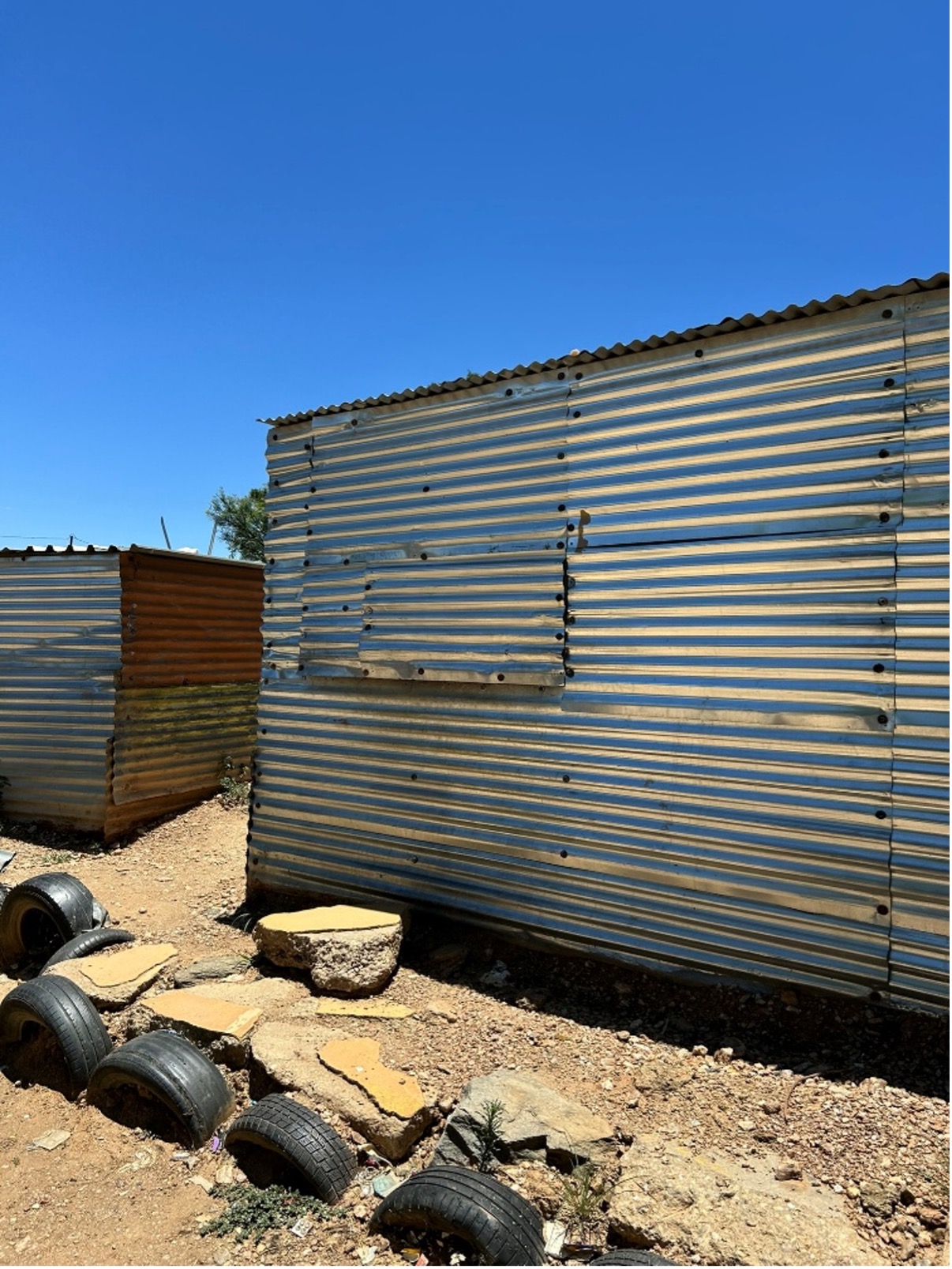
Figure 6: A house in the One Nation informal settlement where a former window opening has been sealed to reduce the risk of theft, highlighting the trade-off between household security and natural ventilation.
