
Re-imagining the voluntary carbon market via a community-first approach in Kenya
By Yurim Nam, Cornell University
February 2026
“Development is more complicated than you expect”, shared World Food Prize laureate Dr. Jan Low during a dinner she generously hosted for Cornell University students in Kenya this January.
Yurim Nam, a Research Assistant in the African Nature Futures Lab and a third-year undergraduate in the Department of Global Development, conducted a field study in Kenya from the 5-16th of January 2026 as a Student Multidisciplinary Applied Research Team (SMART) fellow. Throughout the trip, Dr. Low’s insight was repeatedly reaffirmed, particularly through the role of multidisciplinary collaboration in navigating complicated development dilemmas.
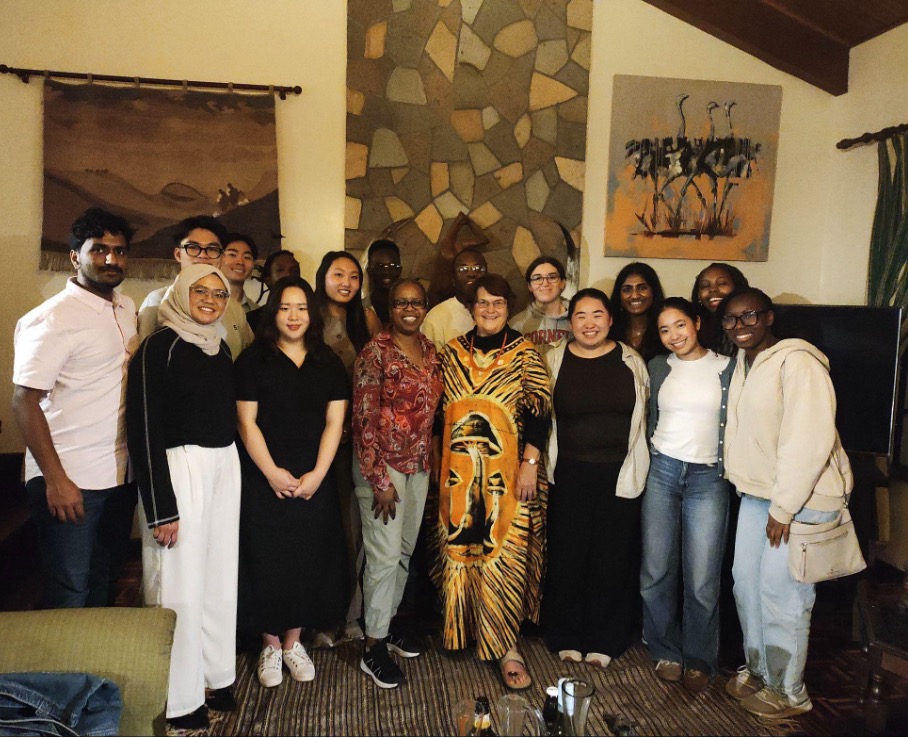
Figure 1. Dinner hosted by the World Food Prize laureate Dr. Jan Low
Project scope and objectives
Following the Paris Agreement, carbon markets have gained increase attention as a solution to help mitigate climate change and diversify rural income. This context shaped this year’s SMART challenge, which aimed to strengthen the quality of a human-driven carbon database that incentivizes local community participation in monitoring, reporting, and decision-making. Yurim’s team worked closely with the Agency for Inclusive Innovations and Development Africa in designing a research protocol to collect data from pastoralist communities in conservancies enrolled in Northern Rangelands Trust’s voluntary soil carbon project, the largest voluntary carbon project in the world. The Northern Rangeland Trust is a secretariat supporting a voluntary membership organization owned and led by member community conservancies .
With sustainability, local empowerment, transparency, and inclusivity as guiding principles throughout the project development and implementation process, Yurim identified several gaps in the current carbon market landscape. To address the gaps, Yurim and her team are in a stage of developing a prototype of a public-facing benefit-tracking dashboard that systematically improves transparency by displaying geographically organized, real-time feedback.
Field study in Nairobi, Kenya
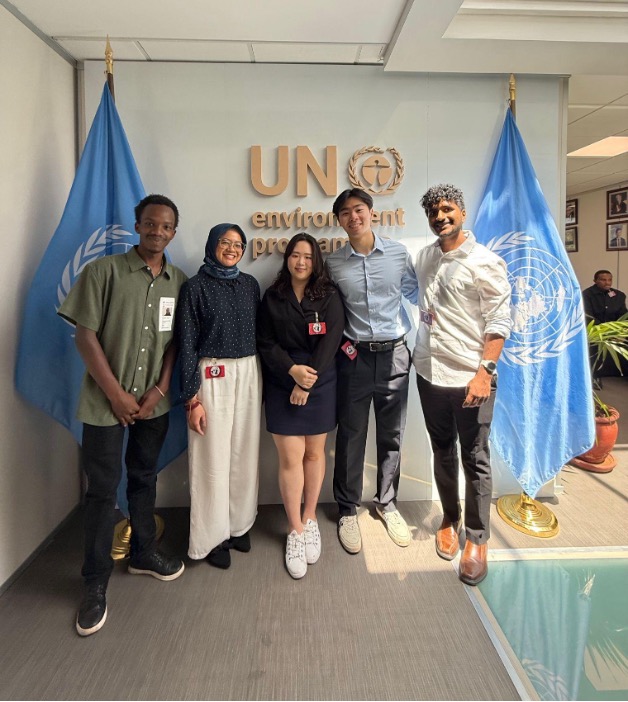
Figure 2. Visit to UNEP Office at Nairobi
The fieldwork took place in Nairobi and Nanyuki, a rural town located in Central Kenya. In Nairobi, following a meeting with AIID Africa to clearly define the project’s scope, SMART fellows visited the United Nations Environment Programme (UNEP) Headquarters at the UN Office at Nairobi to better understand the regulatory landscape of carbon markets. Here, Yurim engaged in a roundtable discussion with the UNEP chief of staff, the deputy director of the ecosystems division, the chief of the adaptation and resilience branch of the climate change division, and the senior programme coordinator for climate change. The main agenda of the discussion was understanding the UN’s role as a facilitator of climate diplomacy through trust-building and mandates such as Nationally Determined Contributions (NDCs).
Furthermore, Yurim and her team were invited to the Nairobi Securities Exchange (NSE), the East African central hub for carbon trading, in partnership with the Nairobi International Finance Centre (NIFC) and Aircarbon Exchange (ACX). Interaction with NSE analysts comprehensively informed the registration and certification process of climate finance projects and Kenya’s vision to mobilize micro, small, and medium enterprises (MSMEs) to promote sustainable green growth coupled with the expansion of well-paying job opportunities. To materialize the vision, NSE emphasized the importance of collective capacity building to enhance the digital and financial literacy of the population and market participants’ understanding of regulatory frameworks.
Field study in Nanyuki and three conservancies of central rural Kenya
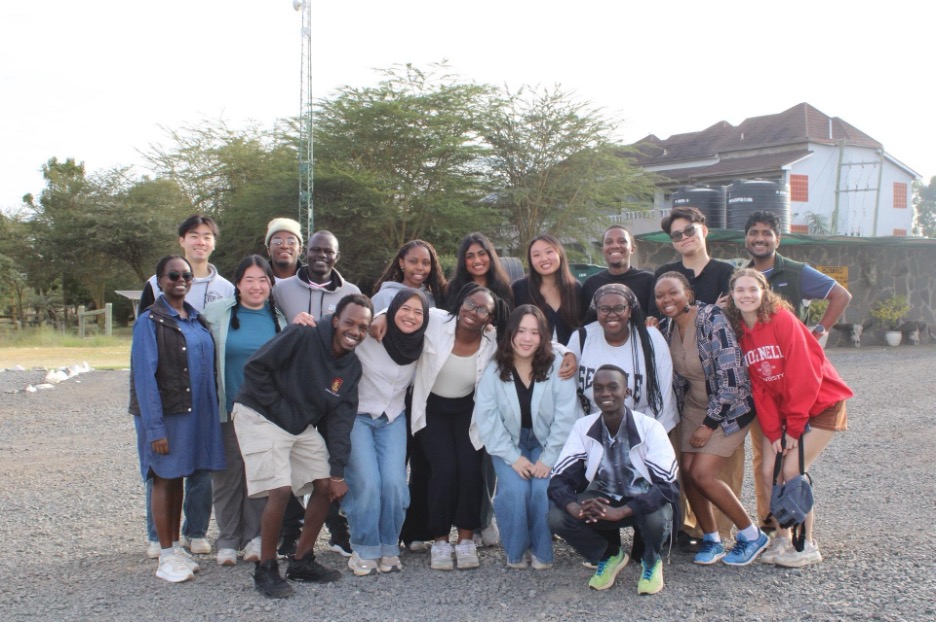
Figure 3. 2025-26 Cornell University SMART fellows group photo at central rural Kenya
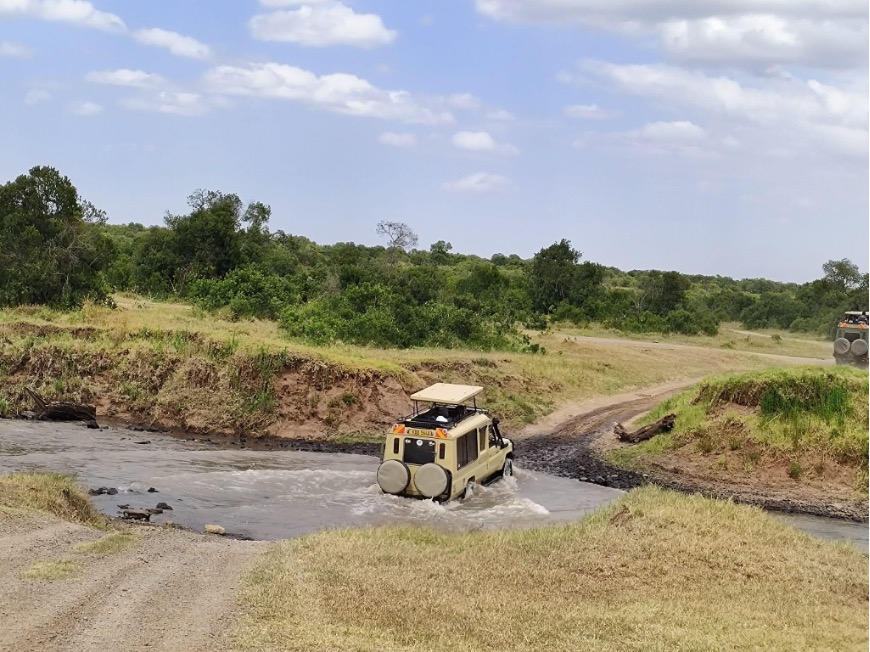
Figure 4. On the way to visit conservancy communities
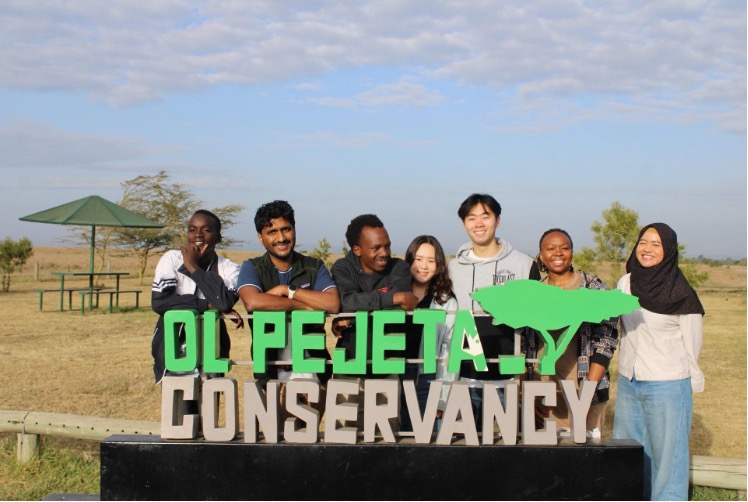
Figure 5. Cornell SMART carbon market team and AIID Africa group photo at Ol Pejeta conservancy
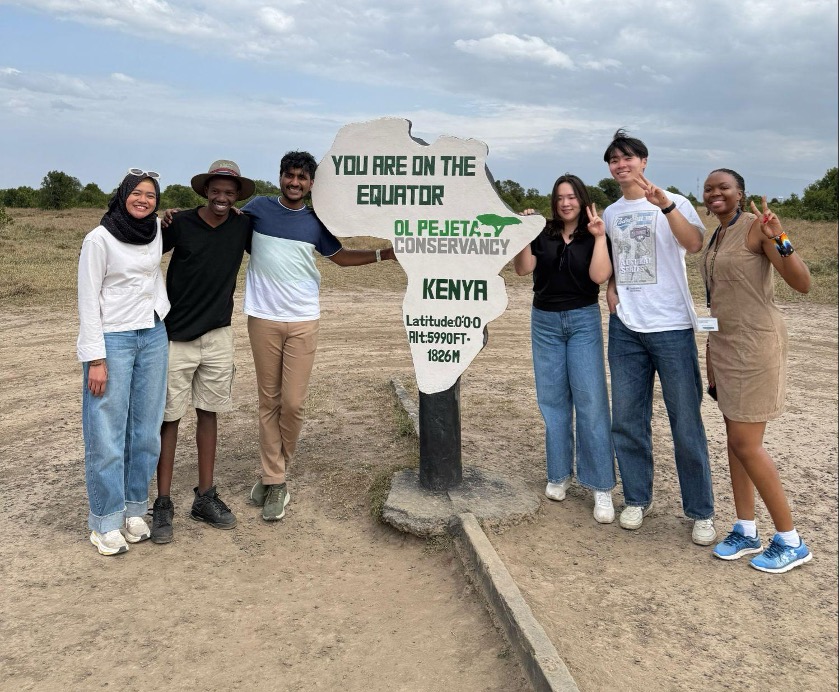
Figure 6. Cornell SMART carbon market team group photo at the equator
To contextualize the project at the local level, Yurim traveled to rural Kenya to conduct roundtable discussions with NRT and semi-structured interviews with three of the 22 conservancies enrolled in the carbon project, which spans 1.9 million hectares across Isiolo, Samburu, Marsabit, and Laikipia counties. According to NRT, their sustainable rotational grazing plan generates soil carbon credits by enhancing soil organic matter content through increased root biomass, achieved through the continual recovery of grasses. Based on this information, interaction with Lewa, IL Ngwesi, and Naibunga Upper conservancies revealed a benefit-sharing mechanism of carbon credits produced:
Carbon Credit Payment:
- NRT collects payment from buyers (net-positive emitters)
- NRT distributes proceeds to the conservancies using M-Pesa. Payment amount for each conservancy is determined based on the formula (the new formula includes performance indicators, conflict resolution, land size, and climate consideration)
Carbon Community Fund Management
- Carbon Land Management Committee (Conservancy level) manages the carbon community fund.
- In the special Annual General Meeting (AGM), local communities make collective decisions about which development projects to fund and which efforts to prioritise.
Community Development Project
- Instead of direct cash transfers to individuals, carbon funds are invested in community development projects such as building water infrastructure, constructing schools and hospitals, and improving tourism sectors.
Identifying the gaps
Adopting a mixed-methods analysis to triangulate field insights with secondary data revealed discrepancies between the narratives. While Northern Rangeland Trust (NRT) received a gold standard from Verra’s Climate Community Biodiversity (CCB) program, an international carbon verification that offers a price premium certification, the field findings from conservancies where NRT’s soil carbon project has been implemented questioned the practical legitimacy of NRT’s compliance with rigorous requirements. These discrepancies were mostly found in community engagement criteria.
Adopting a reverse-engineering approach by reviewing the Verra report that documents how NRT qualified for each criterion, Yurim identified that Verra’s vague wording and flexibility in satisfying the targets often create ambiguity. As such, Yurim identified three major gaps that should be addressed to promote climate justice through auditable information systems and widespread knowledge sharing. These gaps are: (1) limited channels for bidirectional feedback between communities and oversight at the conservancy level, (2) insufficient participation and accounts from vulnerable members and women in the decision-making process, and (3) a lack of transparency regarding the project benefit distribution mechanism and the carbon credit value chain.
Moving forward
To address the identified gaps, Yurim and Cornell University’s SMART fellows are developing a prototype of a public-facing benefit-tracking dashboard that systematically improves transparency by displaying geographically organized, real-time feedback. Addressing the key concerns raised by community members in the dashboard, she anticipates contributing to amplifying the carbon market’s potential as a dual solution to climate change mitigation and transforming the role of local community from passive recipient of development intervention to active agent of change.
Acknowledgements
The field study was supervised by Dr. Fridah Mubichi-Kut, a director of the SMART program and professor of practice in Charles H. Dyson School of Applied Economics and Management. The program is funded by the Charles H. Dyson School of Applied Economics and Management, Cornell University, Ithaca, USA.
