
How can Africa benefit from greater investment in clean air?
By Alivony Ravelomanantsoa and Jessica Thorn
University of Antananarivo
August 2026
PhD student’s reflections from the Africa Clean Air Forum
For many years, air pollution in Africa has largely been framed as a scientific and technical challenge, centred on monitoring, modelling and pollutant thresholds. At the 4th Africa Clean Air Forum, however, the conversation shifted. Under the theme “The investment case for clean air and healthy cities”, the forum highlighted that clean air is not only an environmental or public health issue, but also an economic and political one that requires investment, accountability and leadership.
Held in Pretoria, South Africa, from 13–16 July 2026, the forum brought together more than 500 participants from 43 African countries, including government representatives, researchers, development banks, civil society organisations and funding agencies (Figure 1). The discussions focused on a central question: how can Africa unlock greater investment to improve air quality and public health?
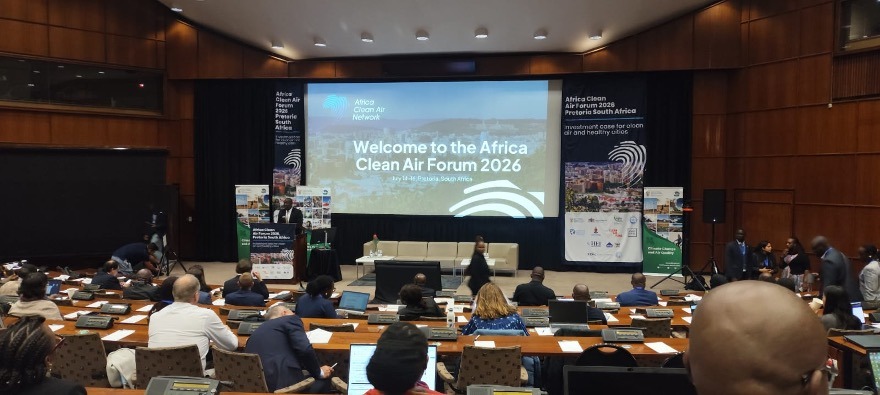
Figure 1. Opening session of the Africa Clean Air Forum at the Council for Scientific Industrial Research at the International Convention Centre in Pretoria, South Africa
Africa’s clean air funding gap
Globally, only around 0.1% of philanthropic funding is directed towards clean air, and support has been declining. While North America receives the largest share of available funding, sub-Saharan Africa, despite experiencing some of the world’s highest exposure to air pollution from biomass cooking, poor-quality fuels and rapid and young urbanisation, receives very little. Speakers from the World Bank, UNDP, the Development Bank of Southern Africa and the Clean Air Fund (Figure 2) highlighted the irony that the regions where investments could deliver the greatest health and economic benefits remain the least funded.
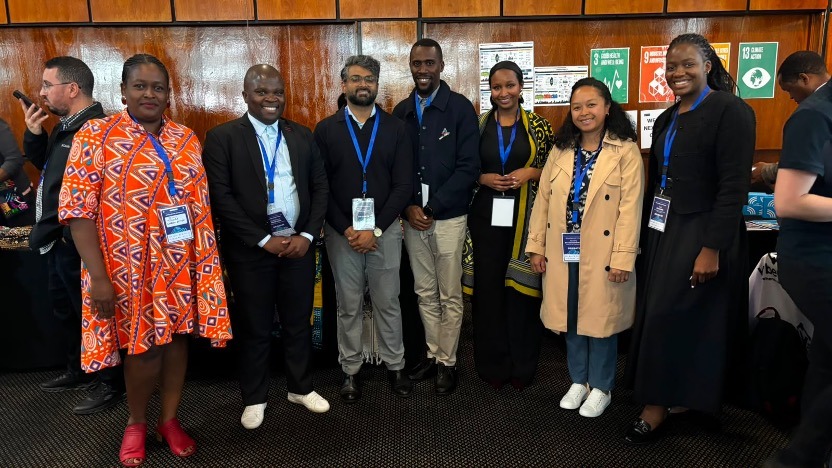
Figure 2. Urban Better team and Clean Air Fund representatives
Why is investment so difficult?
One of the most insightful presentations came from Moortaza Jiwanji of the UNDP Africa Sustainable Finance Hub, who described major barriers to public investment in air quality:
- Fragmented institutional responsibilities, leaving no single agency accountable;
- Local governments are often under-resourced with limited authority to act;
- Weak planning processes that fail to link evidence with investment decisions;
- Limited public budgets or fiscal space and financing mechanisms where air quality policies are not financed, and remain absent from the sector investment programmes; and
- Air pollution may appear to be a technical problem, but ultimately it is a political and regulatory one. Scientific evidence alone is not enough.
- Translating evidence on the health and economic costs of air pollution into compelling investment cases for finance ministries, city planners and political leaders.
Key opportunities for Africa that emerged from the forum
(1) Building the evidence base to map air pollution sources
Good investment decisions depend on good data. Expanding air quality monitoring across African cities will help quantify the health and economic costs of pollution while identifying its major sources. There are encouraging examples. Kampala now hosts one of Africa’s densest air quality monitoring networks, with 134 low-cost sensors and three reference monitors in place since 2018, while Nairobi deployed around 50 new sensors in 2025. Researchers at AirQo, Makerere University, have used these networks to identify the main contributors to PM2.5 pollution, finding that traffic emissions account for approximately 18–35% of total concentrations. Similar work is expanding across Lagos, Cameroon and South Africa, although many countries including Madagascar still lack sufficient monitoring data.
Evidence from Lagos, Johannesburg, Addis Ababa, Kampala, and Nairobi demonstrated how locally grounded monitoring and modelling can identify emission hotspots, trace pollution sources, and reveal high exposure among workers in under-monitored areas. In Lagos, AirQo’s low-cost sensor network has been used to map PM2.5 across the city, pointing to vehicular emissions and industrial activity as major contributors and flagging densely populated and industrial districts as hotspots. In Kisumu, Kenya, a growing partnership with AirQo has strengthened the regional monitoring network and improved the ability to pinpoint pollution hotspots. South Africa, meanwhile, showcased efforts to integrate low-cost sensor data into its national air quality information system (SAAQIS), and earth observation datasets from NASA and Digital Earth Africa were highlighted as a way to extend coverage into unmonitored regions.
In Cameroon the two reference-grade monitors are installed in Yaoundé and Douala with support from the EPIC Air Quality Fund. Dr Felix Assah from of the University of Yaoundé I, described them as the country’s first reference-grade monitoring base. The Yaoundé monitor, implemented by the Health of Population in Transition Research Group, provides continuous real-time data and calibrates a wider network of low-cost sensors across the city. In Douala, the station is run by clinicians at Douala General Hospital links hourly particulate data directly to respiratory health research and policy.
(2) Unlocking climate finance
Several discussions explored how climate finance, carbon markets and clean cooking programmes could simultaneously deliver cleaner ai, including a C40 Cities fireside chat. Positioning clean air as a co-benefit of climate action creates new funding opportunities that extend beyond traditional environmental donors. Equally important is embedding clean air objectives within transport, energy, health and urban planning, rather than treating air quality as a standalone environmental issue competing for limited resources.
(3) Investing in urban trees
One of the most inspiring keynote speeches came from South Africa’s Deputy Minister of Forestry, Fisheries and the Environment, Bernice Swarts (Figure 3), who argued that improving urban air quality must include investment in trees. Urban tree planting provides multiple long-term benefits, including cleaner air, cooler neighbourhoods, improved biodiversity and healthier communities, making it one of the most sustainable public investments African cities can make.
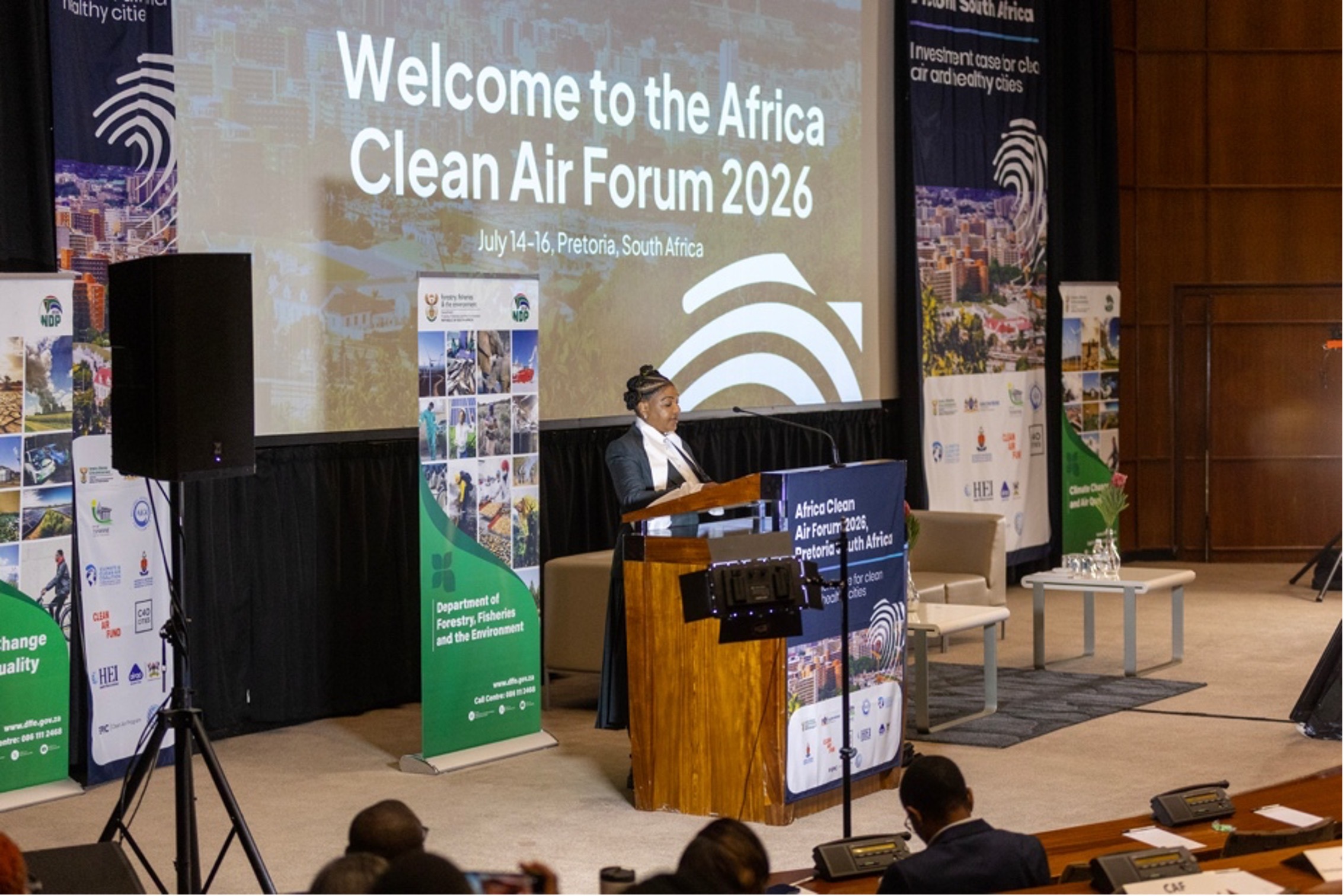
Figure 3.Ms Bernice Swarts, South Africa’s Deputy Minister of Forestry, Fisheries and the Environment during during her keynote speech
(4) Strengthening regional collaboration
The forum also emphasised the importance of regional centres of excellence and knowledge hubs that can share expertise, build capacity harmonise monitoring methods, turn scattered, hard-to-compare data into shared standards and practical products, and support governments with practical evidence. A workshop convened by the Climate and Clean Air Coalition (CCAC) and the Stockholm Environment Institute (SEI) examined how such mechanisms could work in practice: the African Clean Air Programme (ACAP) Centres of Excellence, and the Air Quality Management Exchange (AQMx) Regional Knowledge Hubs. Stronger collaboration between researchers, governments and practitioners will be essential if air quality data is to influence policy across Africa. Examples of these are harmonising monitoring methods, turning scattered and hard-to-compare data into shared standards and practical products, building technical capacity, and supporting governments with usable evidence.
(5) A gender-responsive agenda in air quality
One of the most memorable sessions was organised by Women in Air Quality Africa (Figure 4), highlighting how air pollution disproportionately affects women and children through household cooking, informal street trading and outdoor livelihoods. The discussion called for more gender-responsive budgeting, inclusive decision-making, stronger participation by women in leadership, and improved gender-disaggregated data to inform policy.
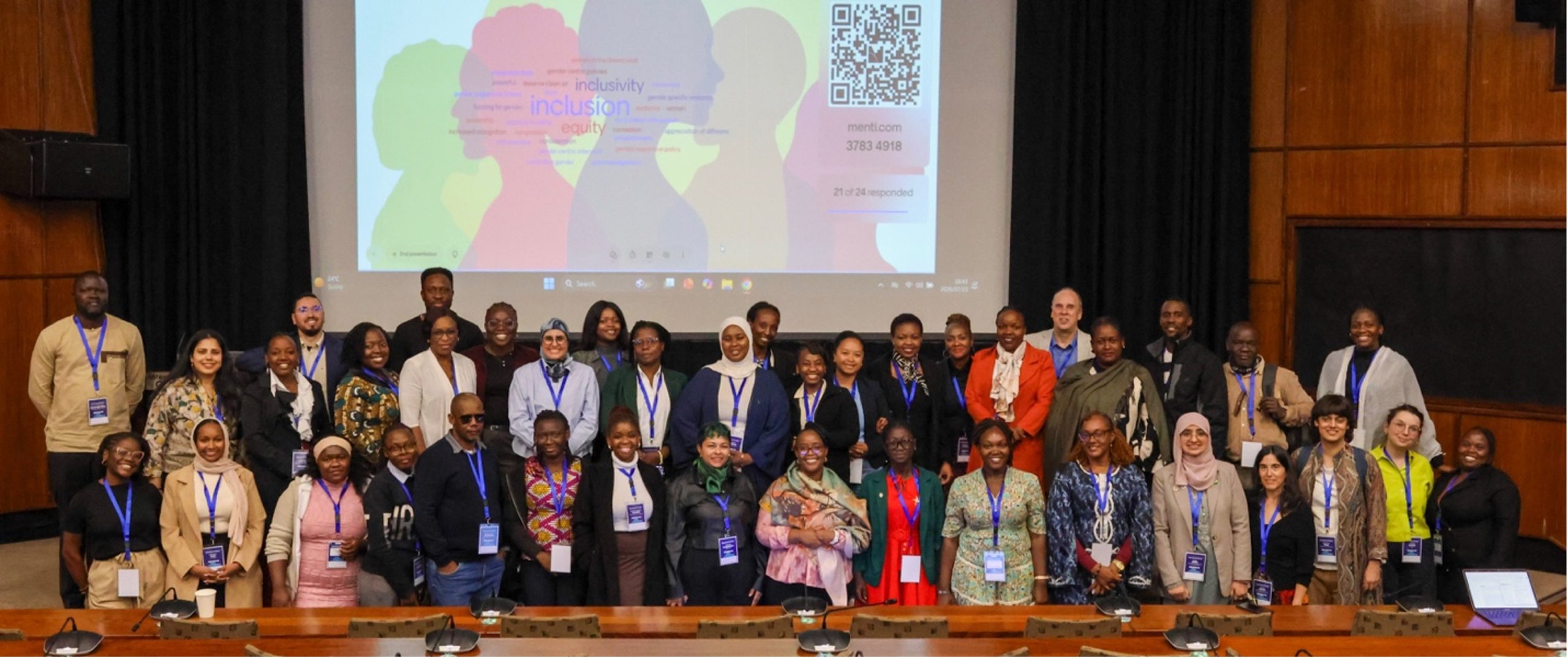
Figure 4. All participants during the Women in Air Quality session on Gender Responsive Agenda
(6) Citizen monitoring
Meaningful action does not always require large budgets, but can involve communities in monitoring. With UrbanBetter and AirGradient, Alivony received six wearable air quality monitors (Airbeams2) that will support citizen-led monitoring. These low-cost technologies enable communities to collect local evidence, increase public awareness and advocate for cleaner air (Figure 5).
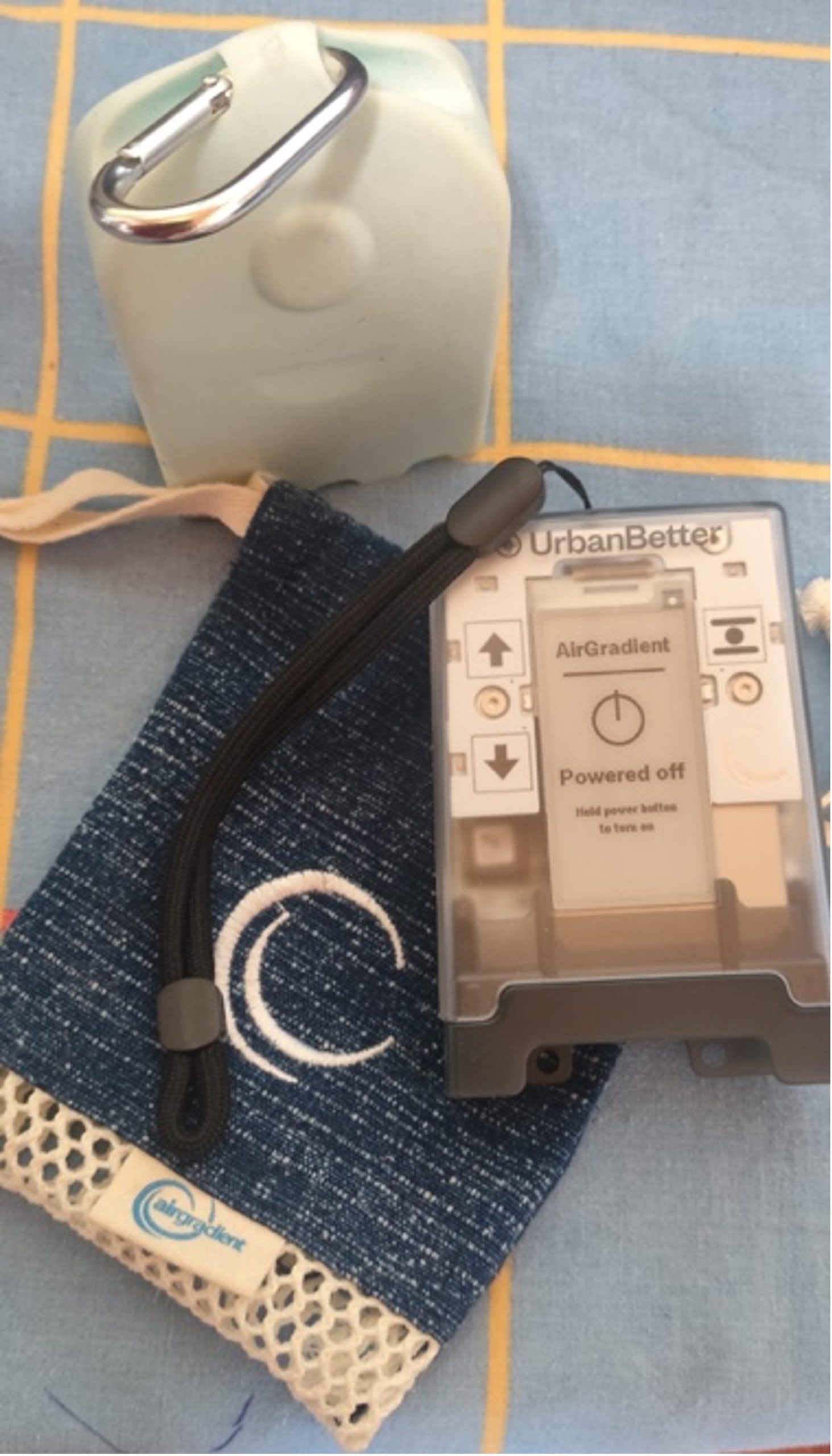
Figure 2.Portable air quality monitors from UrbanBetter and AirGradient
Reflections from Madagascar
As a PhD student researching air pollution and vegetation in Antananarivo, Alivony left Pretoria with new connections, fresh ideas, sharper questions, and renewed motivation (Figure 6). At the same time, she was struck by how little Madagascar featured in discussions on air quality research and policy. Despite widespread exposure to pollution from biomass cooking, low-quality fuels, waste burning, slash-and-burn agriculture and rapid urbanisation, Madagascar remains largely absent from continental conversations.
Air quality monitoring remains extremely limited, making it difficult to demonstrate pollution levels, identify hotspots or attract investment. Expanding publicly accessible sensor networks would not only improve scientific understanding but also help place Madagascar on the map in regional and international funding discussions.
Malagasy culture has long valued prevention over cure. That philosophy offers an important lesson for air quality management: investing early in clean air will improve public health, strengthen urban resilience and reduce future costs.
Acknowledgements
Alivony’s participation in the Africa Clean Air Forum 2026 was made possible through the support of my lab, the African Natures Future Lab and the FLOURISH research project led by Dr Jessica Thorn, together with the Women in Air Quality Africa, led by Dr Pallavi Pant. I am deeply grateful to both of these brilliant leaders for their support. I hope to make the most of what I learnt and look forward to applying what I learned to help build healthier, more resilient cities in Madagascar.
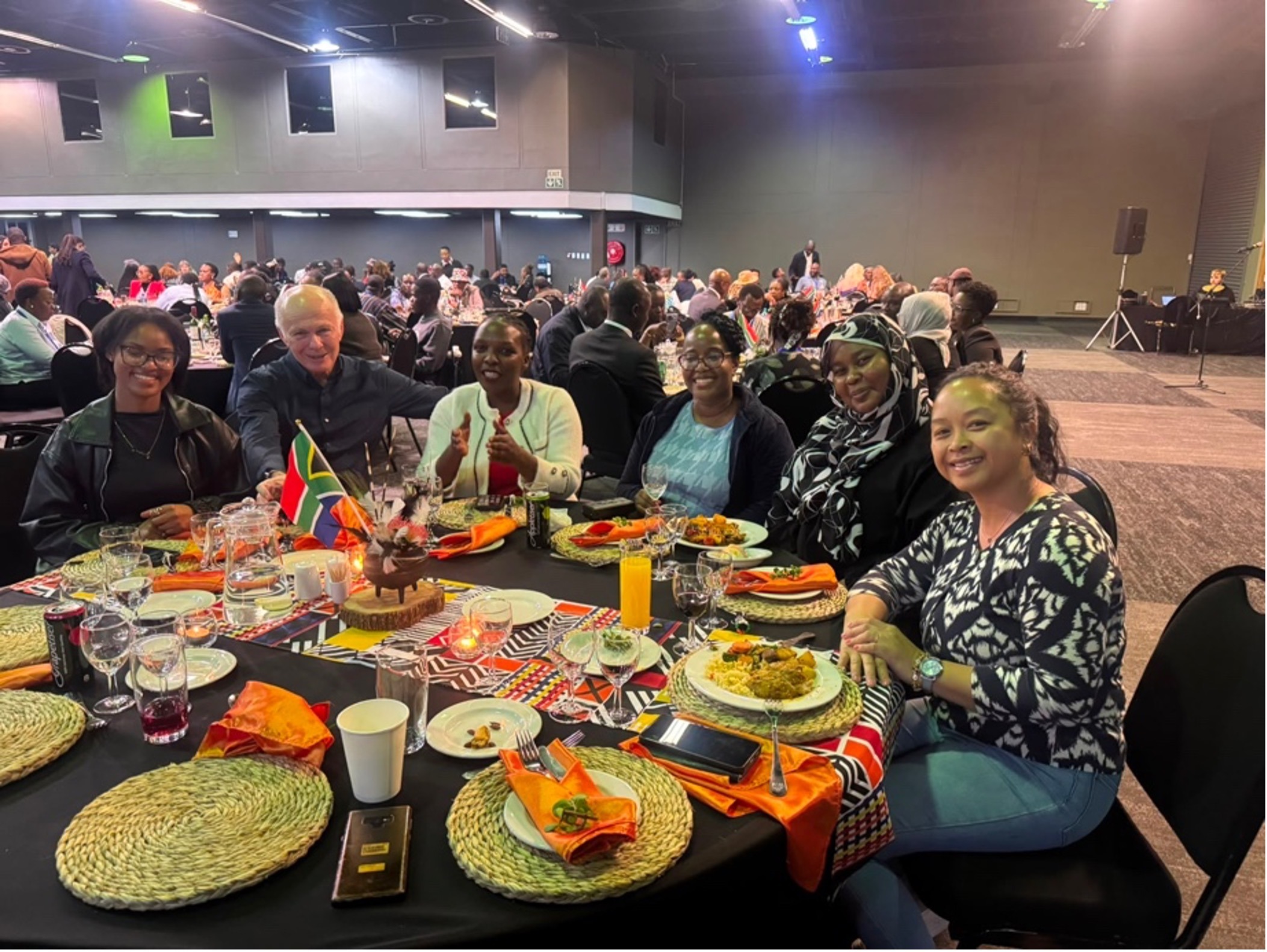
Figure 3. Farewell dinner and networking with practitioners, researchers and students from across the continent
