
African Nature Futures Lab researchers showcase research at Adaptation Futures Conference, Christchurch, New Zealand
By Alivony Ravelomanantsoa, University of Antananarivo and Dr Jessica Thorn, University of Namibia/Imperial College London
November 2024
On October 13th – 16th, nearly 1500 key actors in climate adaptation actions gathered at the 8th Adaptation Futures Conference 2025 in the beautiful city of Ōtautahi Christchurch, New Zealand. The conference, which takes place every two years, is one of the leading international conferences on climate adaptation. It aims to advance and share locally-led adaptation experiences and solutions aiming to bridge the gap between the lived reality and the adaptation science. The conference constitutes a great opportunity to gather new ideas, experiences and a chance to enlarge networking to accelerate adaptation actions, especially for early career researchers.
Dr Jessica Thorn, African Nature Futures lab lead, and Alivony Ravelomanantsoa, PhD student from the University of Antananarivo attended the conference. Their collective contributions highlight our labs focus on advancing equitable, evidence-based approaches to climate resilience and strengthening African science leadership. Together, the researchers presented six papers, including presentations, one knowledge café talk and one hands-on activity session.
Dr Thorn presented in the theme “Cities, settlements and infrastructure”, a paper on Climate justice and informal trader’s access to urban green spaces and in the “Food, water and biodiversity nexus” theme, presented a paper on Exploring the benefits and dis-benefits of climate migration as an adaptive strategy along the rural-peri urban continuum. Both papers were based on research in Namibia. She also facilitated a knowledge café comprising over 60 people on “Greening the margins: Urban forests for adaptation in informal settlements” and a hands-on activity , using the “Pluralistic evaluation framework as a participatory tool for climate adaptation”. Alivony presented two papers. The first was on “Scaling community-led green infrastructure strategies to increase climate resilience in urban informal settlements in Antananarivo” and “The impact of green infrastructure on air pollution and respiratory health in Antananarivo, Madagascar”.
Through these contributions, researchers highlight Africa’s growing role in shaping global adaptation discourse.
Outside of the conference room, the team went on some engaging fieldtrips. In particular, Alivony visited the Rangatahi (youth) – led Māra kai (food garden). Actions mainly focused on producing biological nutritious food by valorising an abandoned residential land called the “residential red zone” left after the 2011 Earthquake. She learnt that school children are participating in environmental education through recycling, poultry raising, sensitization through painting and nursery activities. Here, each child is given a piece of land where they can grow and harvest vegetables. Dr Thorn went to visit the mid-Canterbury’s braided river systems and the Rangitata River Diversion Race where she had the opportunity to learn about how the community balances environmental and social priorities: ensuring rivers have space to breathe whilst still supporting climate and community resilience.
The conference also highlighted Indigenous knowledge. For example, Dr Gwen Point, a Stó:lō leader and knowledge keeper from British Columbia Canada, conveyed methods of knowledge transmission and conserving intergenerational cultural tradition to support resilience. Furthermore, the conference also created opportunities to link with PhD students from across the world, including countries such as Australia, Canada, Indonesia, and Sri Lanka.
We are thankful to the French Agency Development for funding the PhD student and the European Commission and African Union for supporting this work under the ARISE fellowship.
More information can be found here: Adaptation Futures Conference 2025.
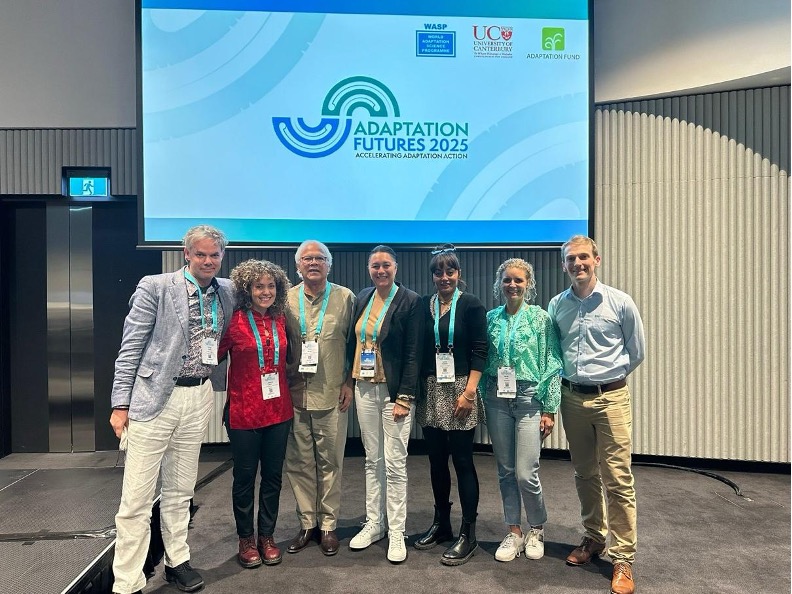
Figure 1. Dr Jessica Thorn second from the left after the hands-on activity on “Framework for climate adaptation: A participatory tool for planning and assessing transformative change”.
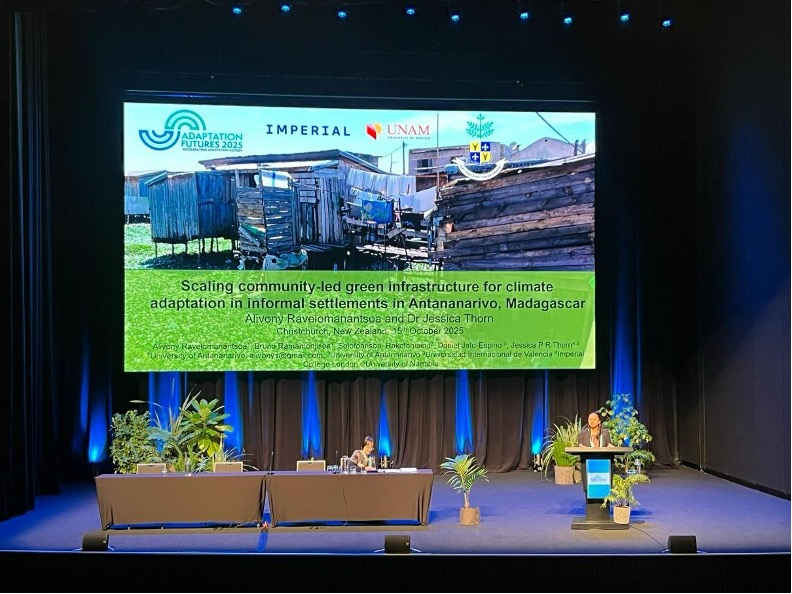
Figure 2. Alivony presenting the preliminary results of the ongoing work on autonomous and planned adaptation strategies efficiency in Antananarivo Madagascar shading light on the types of community led greening activities in informal settlements in the city.
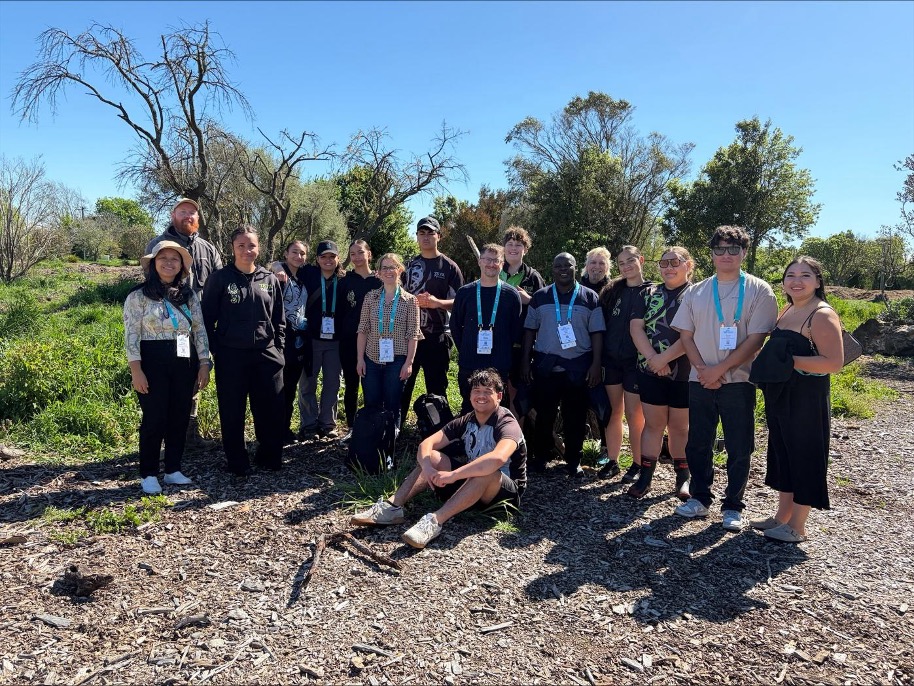
Figure 3. Conference participants (wearing badges) and the youth Rangatahi (youth) – led Māra kai (food garden) in the Red Zone
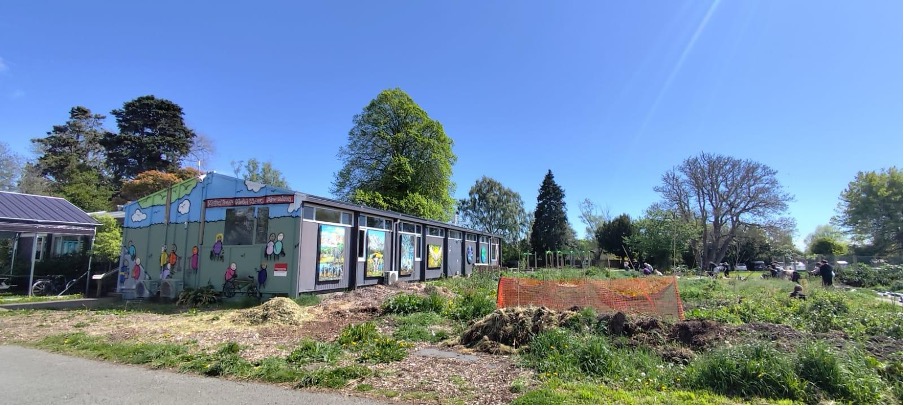
Figure 4. Land operated by the primary school students where they developed breeding and farming skills at the Climate action hub campus.
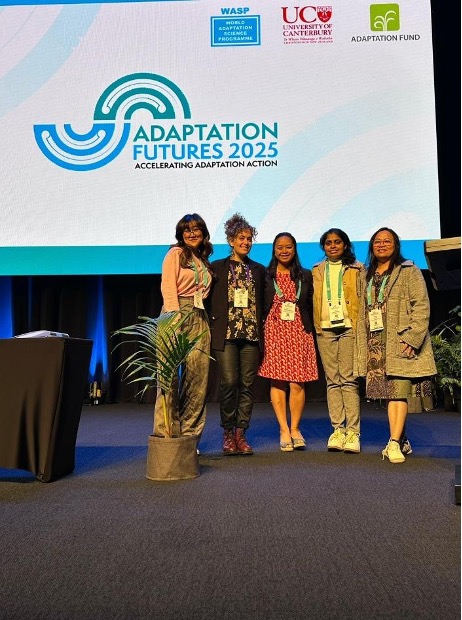
Figure 5. Post presentation pictures with supporting PhD students from local and international University at the Ta Pae Convention Center, Chirstchurch. From left to right, Beatrice, Massey University, Dr Jessica Imperial College London, Alivony University of Antananarivo, Pryia Univeristy of Canterbury and Friska, National Australian University.
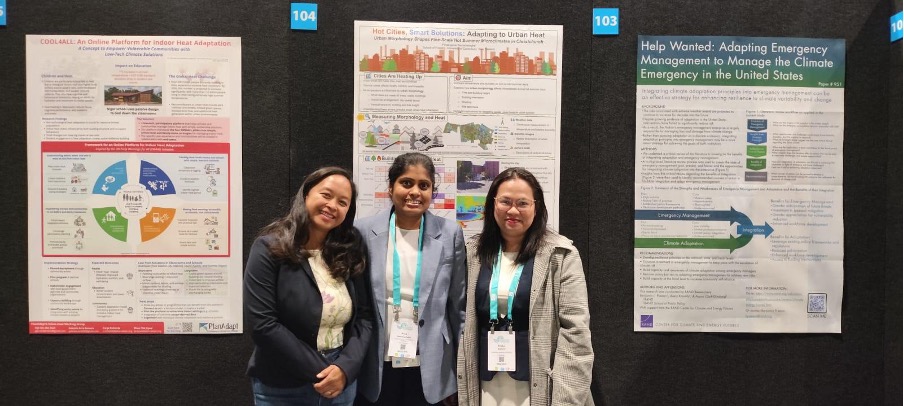
Figure 6. Posters presentation at the Te Pae Convention Center by Phd student from Canterbury University (middle). This work was on Urban greening to tackle Urban Heat Island effect in Christchurch, New Zealand.
